



February is a truly gourmet month, full of celebrations and sweet indulgences—a sugary pause before Lent. From chocolates and brioches to fried treats, the calendar is dotted with saints and culinary traditions that delight both young and old. At El Epicúreo, we invite you to discover these sweets and their stories, savoring every moment of February. ,
Candlemas – February 2: The Pancake Festival
LCandlemas, or the festival of candles, has both religious and pagan origins. It celebrates the presentation of Jesus at the Temple, 40 days after Christmas. According to tradition, flipping a pancake while holding a gold coin brings prosperity and luck for the year.
In France, people enjoy these delicious pancakes, sweet or savory, with sugar, jam, or melted chocolate.
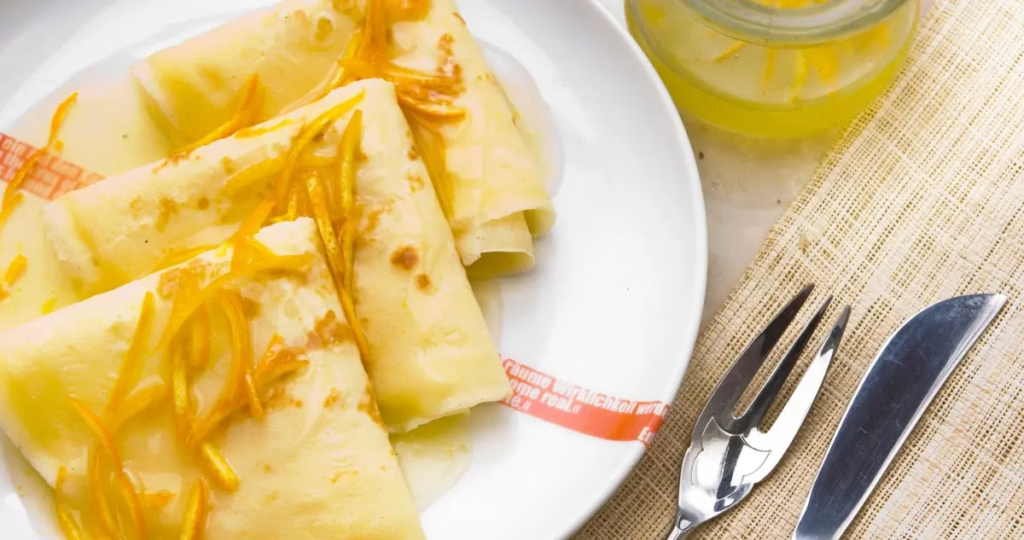
Tips for Perfect Pancakes
- Resting the batter: This is the most important step. Let your batter rest for at least 1 hour at room temperature. This allows the gluten to relax, making your crêpes much more flexible and less likely to tear.
- Brown butter: For a subtle, nutty flavor, melt the butter until it turns a golden color before adding it to the batter. It gives an unmatched richness.
- Order of ingredients: To avoid lumps, make a well with the flour, add the eggs in the center, and gradually pour in the milk from the middle outwards.
- Pan temperature: The pan should be very hot. If the first crêpe usually fails, it’s because the pan hasn’t reached the ideal temperature yet.
- The “El Epicúreo” touch: Replace part of the milk with beer or cider. The carbonation will help the batter puff up during cooking, making your crêpes incredibly airy.
Saint Blaise – February 3: Ring-shaped Brioches
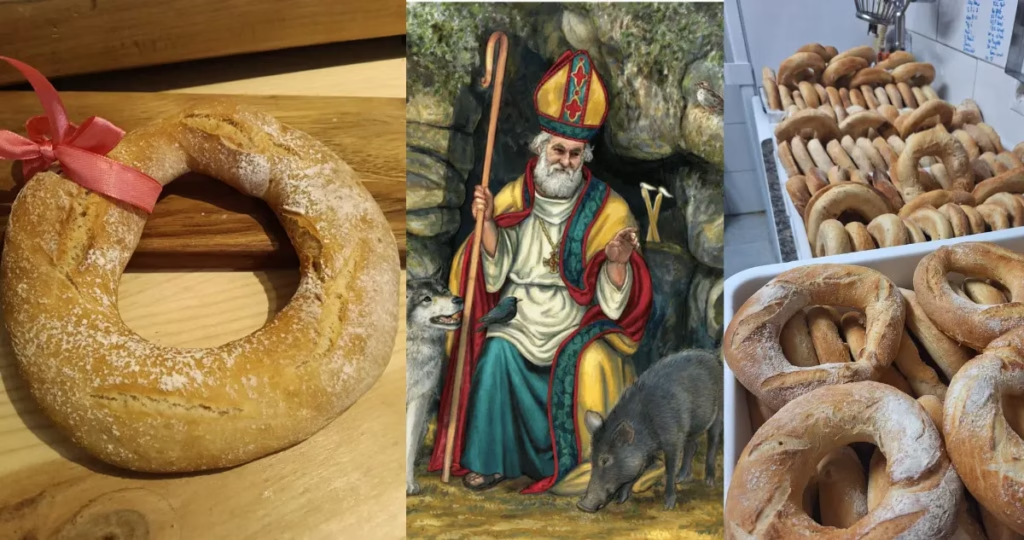
Saint Blaise is the patron saint of throats and mouth ailments, and in some regions, also of bakers. In southwestern France, his feast is celebrated by enjoying small ring-shaped brioches called gâteaux de Saint-Blaise. These lightly sweet pastries symbolize the gentle pleasures before the austerity of Lent.
Legend of Saint Blaise
Saint Blaise was a 4th-century Armenian physician and bishop, known for his kindness and miracles. He famously saved a child choking on a fishbone. In his honor, people traditionally bless throats and bake ring-shaped brioches, a symbol of protection and sweetness before Lent.
Saint Agatha – February 5: The Bakers’ Protector
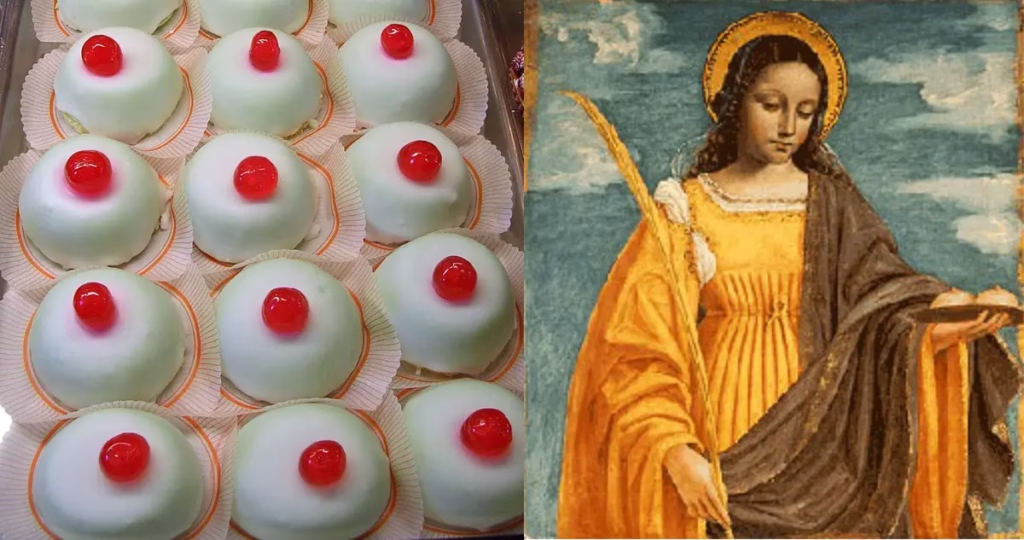
Saint Agatha is the patron saint of bakers and pastry chefs. Her feast is celebrated in Sicily, as well as in parts of France and Spain. Traditional pastries like minne di Sant’Agata, filled with cream or almonds, honor her. These sweets celebrate the generosity and creativity of culinary artisans.
Legend of Saint Agatha
Saint Agatha, a 3rd-century Sicilian martyr, is famed for her courage and steadfast faith. Refusing to renounce her religion, she endured terrible tortures but remained spiritually unconquered. She became the patron saint of bakers and pastry chefs, honored with round or heart-shaped pastries, symbols of fidelity and generosity.
Valentine’s Day – February 14: Love in Chocolate
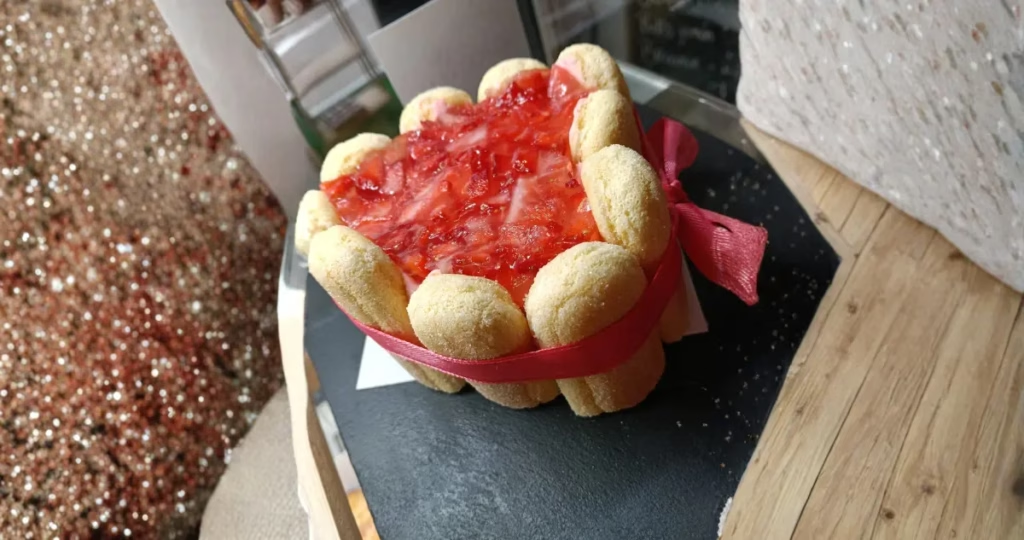
Saint Valentine has become the universal symbol of love and romance. Today, the celebration revolves around sweets: fine chocolates, pralines, sugar hearts, and elegant pastries. It’s the perfect excuse to indulge in shared pleasures just before Lent begins.
Legend of Saint Valentine
A 3rd-century Roman priest, Saint Valentine secretly married young couples defying the emperor’s orders. Arrested and executed for his bravery, he became a timeless symbol of love, reminding us that affection deserves celebration, even in difficult times.
Carnival and Mardi Gras – February 15–17, 2026: Donuts and Sweet Treats
Carnival precedes Ash Wednesday and the start of Lent. Key dates:
- Fat Sunday: February 15, 2026
- Fat Monday: February 16, 2026
- Mardi Gras: February 17, 2026
These days are synonymous with festivities, costumes, and, above all, indulgent treats. Donuts, bugnes in southern France, or tortell in Spain are enjoyed generously, sometimes dusted with sugar or drizzled with honey. Each region has its specialty, but all prepare the palate for the austerity of Lent.
Ash Wednesday – February 18, 2026: Start of Lent
Ash Wednesday marks the beginning of Lent, 40 days before Easter. After the festive days and sweet indulgences, it’s time for reflection and a more sober period.
Gourmet Traditions in Andalusia Not to Miss
Pestiños and Borrachuelos
During Carnival and religious festivals, Andalusians prepare fried pastries flavored with honey, sugar, and cinnamon, known as pestiños or borrachuelos, depending on the town. A typical treat blending Christian, Jewish, and Muslim influences.
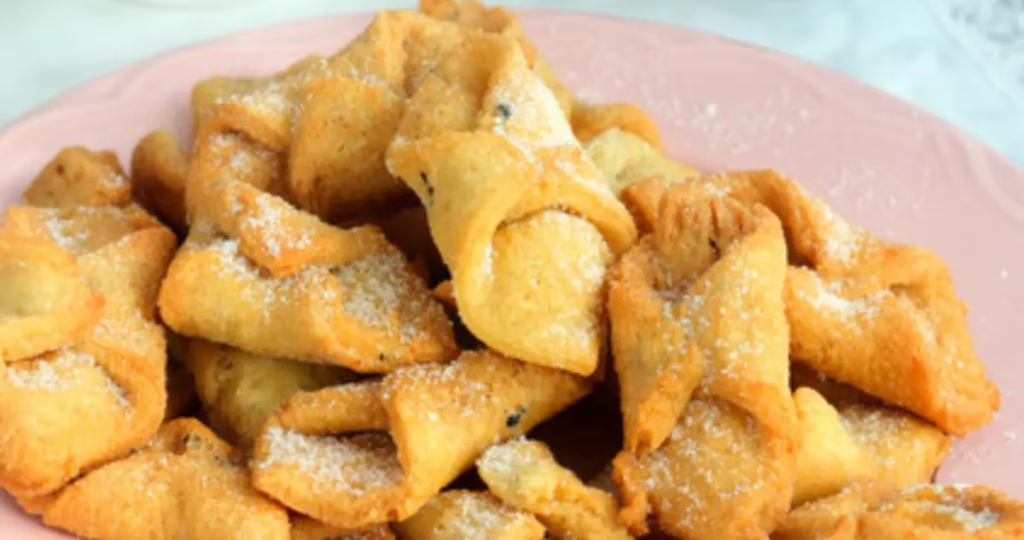
Día de Andalucía – 28 février
February 28, 2026, the official Andalusia Day, celebrates regional gastronomy:
- Mollete de Antequera (local bread) dipped in extra virgin olive oil or served with fresh orange
- Wine tastings from Jerez, Iberian cold cuts, and local products
A festival combining tradition and conviviality—a true delight for gourmands.
Butifuera – Rural Feast
In rural areas, especially Jaén, late February coincides with the end of the olive harvest. The Butifuera is a feast where tapas, grilled meats, chorizo, and ham are shared, often with local wine or beer. A true Andalusian culinary experience before Lent.
February is undeniably a gourmet month, where religious traditions, popular festivities, and sweet indulgences come together. Whether you love pancakes, brioches, donuts, or chocolate, each celebration is a chance to enjoy the pleasure of eating… before Lent!
With El Epicúreo, explore these treats and savor February bite by bite.
Frequently Asked Questions (FAQ)
The round, golden shape of pancakes represents the sun. Early February pancakes once symbolized the return of light and the lengthening of days after winter.
Carnival is the festive period before Lent, often lasting several days or weeks. Mardi Gras is the peak day, the last “fat” day before the 40-day Lenten fast.
Because of her courage in adversity, she became protector of those who work with fire (ovens) and feed the community. The round pastries made in her honor symbolize her strength.
The day after Mardi Gras, marking the official start of Lent. Traditionally a day of sobriety, contrasting with February’s indulgent celebrations.
